What to Expect from ABA Therapy in Minnesota

In short: ABA therapy in Minnesota is a flexible, evidence-based approach to supporting autistic children and those with developmental disabilities. Services are often covered by insurance (including Minnesota's Medical Assistance) and Early Intervention programs. Families can expect a BCBA-led team to create a personalized plan focusing on communication, social skills, and daily living, delivered in home, clinic, school, or community settings. Find ABA Near Me offers a free service to connect families with vetted providers.
Key takeaways
- ABA in Minnesota is typically covered by private insurance and Medical Assistance (Medicaid).
- Services are individualized and data-driven, led by a Board Certified Behavior Analyst (BCBA).
- Early intervention (birth-3) through Help Me Grow can include ABA therapy.
- Expect a collaborative process with parent training and regular progress updates.
Understanding ABA Therapy
Applied Behavior Analysis (ABA) is a science-backed approach that helps individuals with autism and other developmental disabilities learn meaningful skills and reduce behaviors that may interfere with daily life. In Minnesota, ABA therapy is widely available and recognized by insurers, schools, and early intervention programs. ABA focuses on understanding how behavior works in real-world settings and uses positive reinforcement to encourage desired behaviors. It is not a one-size-fits-all program; every plan is tailored to the child's unique strengths, challenges, and family goals.
ABA therapy is led by a Board Certified Behavior Analyst (BCBA) who designs and oversees the program. Registered Behavior Technicians (RBTs) often deliver direct therapy under the BCBA's supervision. Services are data-driven, meaning the BCBA tracks progress closely and adjusts strategies as needed. This collaborative, evolving process ensures that therapy remains effective and responsive to the child's development.
🔗 Related reading: Hyperfocus in Autism: ABA vs Medication · Local ABA Therapy
How ABA Works in Minnesota
Core Principles
ABA therapy in Minnesota follows the same evidence-based principles used nationally. The BCBA conducts a functional behavior assessment (FBA) to understand why certain behaviors occur. Then they develop a behavior intervention plan (BIP) that teaches replacement skills. Positive reinforcement is central-rewards that motivate the child are used to increase desired behaviors. Data is collected during each session to measure progress and make adjustments.
Individualized Goals
Every child's ABA plan is unique. Common goals include improving communication (e.g., requesting items, answering questions), social skills (e.g., turn-taking, initiating play), daily living skills (e.g., toileting, dressing), and reducing behaviors that may be harmful or limit learning. The BCBA works closely with the family to prioritize what matters most to them. For example, if a child has difficulty with transitions, the plan might include visual schedules and gradual exposure.
Data Collection and Progress Monitoring
RBTs collect data during each session-this might be trial-by-trial data for discrete trial training (DTT) or duration data for natural environment teaching (NET). The BCBA reviews this data weekly or biweekly to ensure the child is making progress. If a strategy isn't working, the BCBA modifies it. Families receive regular updates, typically through written reports, meetings, or parent training sessions.
Who Provides ABA Therapy in Minnesota?
ABA therapy is delivered by a team of professionals with different levels of training. The key roles are:
- Board Certified Behavior Analyst (BCBA): The lead clinician with a master's degree or higher in behavior analysis. The BCBA designs the treatment plan, supervises RBTs, conducts assessments, and meets with families.
- Board Certified Assistant Behavior Analyst (BCaBA): A bachelor's-level practitioner who can assist the BCBA but cannot work independently in most insurance-funded cases.
- Registered Behavior Technician (RBT): A paraprofessional who works directly with the child under BCBA supervision. RBTs complete a 40-hour training and pass a certification exam.
- Behavior Technician or Therapist: Some positions do not require RBT certification but still receive thorough training from the agency. However, RBT certification is increasingly common in Minnesota.
When searching for ABA services, families should ensure the team includes a qualified BCBA who is actively supervising the case. Find ABA Near Me connects families with vetted providers who meet these standards, saving you time and effort.

🔗 Related reading: Transition to Adult Autism Services in NY: A Guide · Nearby ABA Therapy
Settings for ABA Therapy in Minnesota
Home-Based ABA
Many families choose home-based ABA because it allows therapy to happen in a natural environment. Skills are taught where they will be used-brushing teeth in the bathroom, eating at the table, playing with siblings in the living room. The BCBA may come to the home for supervision and parent training, while RBTs provide the bulk of direct hours. Home-based services are convenient and reduce travel, but require family participation and space for sessions.
Clinic-Based ABA
In Minnesota, many ABA clinics offer a structured environment with dedicated rooms, sensory areas, and social opportunities with peers. Clinics often have a team of RBTs and BCBAs on site, allowing for more collaboration and immediate support. Clinic-based sessions can range from 2 to 6 hours per day, depending on the child's needs. Some clinics also offer school readiness programs or social skills groups.
Community-Based ABA
For older children or teens, ABA services may take place in community settings like grocery stores, parks, libraries, or job sites. The goal is to generalize skills to real-world situations. For example, a BCBA might practice ordering food at a restaurant or crossing the street safely. Community-based ABA is often incorporated as part of a broader plan and may be combined with home or clinic hours.
School-Based Services
ABA can also be provided within a school setting, either through an Individualized Education Program (IEP) or as a related service. In Minnesota, school districts may employ BCBAs or contract with outside providers. However, school-based ABA is typically focused on educational goals and may have limited hours. Families can also request that their private ABA provider coordinate with the school to ensure consistency. Note that private insurance generally does not cover services provided during the school day if they are part of the IEP-those are the district's responsibility.
Costs and Insurance Coverage in Minnesota
Private Insurance
Minnesota requires most private health insurance plans to cover autism-related services, including ABA therapy, under state mandates. Plans offered through employers or purchased on the individual market typically cover ABA with a diagnosis of autism spectrum disorder. Coverage details vary: some plans have limits on the number of hours per month, co-pays, or deductibles. It is important to contact your insurance company to verify benefits and ask about pre-authorization requirements. Find ABA Near Me can help you identify providers who accept your plan.
Minnesota Medical Assistance (Medicaid)
Minnesota's Medical Assistance program (the state's Medicaid) covers ABA therapy for children with autism under the Early and Periodic Screening, Diagnostic and Treatment (EPSDT) benefit. This includes comprehensive services like assessment, direct therapy, parent training, and behavior management. Families must use a provider that is enrolled as a Medical Assistance provider. Additionally, some children may qualify through the TEFRA (Tax Equity and Fiscal Responsibility Act) option, which allows higher-income families to access Medical Assistance for a child with a disability. Minnesota has a waiver called the Developmental Disabilities (DD) Waiver or the Autism Waiver that may also fund ABA services for certain individuals. Navigating these options can be complex; a free matching service like Find ABA Near Me can connect you with providers who are experienced with Medical Assistance billing.
Early Intervention (Birth-3)
For infants and toddlers up to age 3, Minnesota's early intervention program is called Help Me Grow. This program is free for eligible families and can include ABA services as part of an Individualized Family Service Plan (IFSP). Services are typically provided in the home or community. Families do not need a medical insurance referral-you can self-refer by calling Help Me Grow in your county. Early intervention can be a critical time to start ABA, as the brain is most flexible at this age.
Out-of-Pocket Costs
Without insurance, ABA therapy can be expensive-often $120-$200 per hour for BCBA supervision and $50-$80 per hour for RBT direct therapy. Mandated coverage in Minnesota makes insurance reimbursement likely, but some families may still face co-pays or uncovered services. It's wise to ask the provider for a good faith estimate before starting.
The Intake and Assessment Process
Initial Contact
When you contact an ABA provider or use Find ABA Near Me to get matched, the first step is an intake call. The provider will ask about your child's diagnosis, age, current challenges, and goals. They will also check your insurance benefits. Once eligibility is confirmed, a BCBA will schedule a comprehensive assessment.
Assessment
The assessment typically involves interviews with parents, direct observation of the child (often in their natural environment), and standardized tools like the VB-MAPP or ABLLS-R. The BCBA will evaluate the child's skills across domains: communication, social, self-help, motor, and play. The assessment may take 4-8 hours over one or two visits. Afterward, the BCBA writes a treatment plan with specific goals and recommended hours per week.
Treatment Plan Approval
Most insurance companies require the treatment plan to be submitted for authorization before therapy can begin. This process can take 2-4 weeks. Once approved, the provider schedules sessions. It's common to start with fewer hours and gradually increase as the child adjusts.
What a Typical ABA Session Looks Like
An ABA session can vary widely depending on the setting and the child's goals. A common home-based session with a young child might include:
- Pairing and rapport building: The RBT spends a few minutes playing with the child to establish a positive connection.
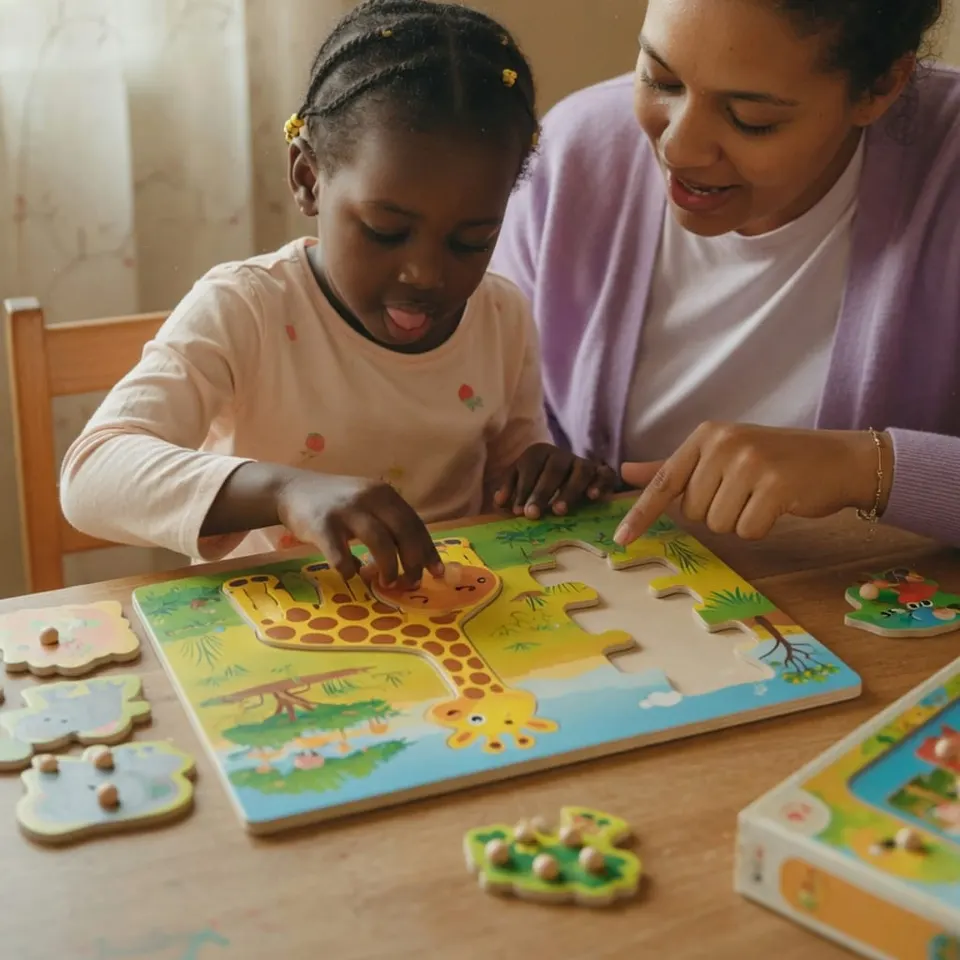
- Discrete trial training (DTT): Structured teaching in a one-on-one format, often at a table, where the RBT presents a specific instruction (e.g., "do this," "point to blue") and waits for a response. Correct responses are immediately reinforced.
- Natural environment teaching (NET): Embedding learning into play and daily routines. For example, during a snack, the RBT may prompt the child to request a pretzel using a word or a picture card.
- Behavior reduction strategies: If the child engages in challenging behavior, the RBT implements the plan (e.g., providing a break, redirecting to a preferred activity).
- Data collection: Throughout, the RBT records the child's responses on a data sheet or tablet.
- Parent coaching: The BCBA or RBT may model strategies for the parent and provide feedback.
Sessions might be 2-4 hours long, with multiple sessions per week. Hours are gradually increased as the child builds stamina and tolerance.
Tips for Getting Started with ABA in Minnesota
Start Early
Because of potential wait times, begin your search as soon as you suspect a need. You don't need a formal diagnosis to contact a provider for an initial call-some providers will complete a diagnostic evaluation or can refer you to a specialist. For children under 3, Help Me Grow can begin services without a medical diagnosis.
Verify Insurance Benefits
Call your insurance company and ask about ABA coverage, whether you need prior authorization, and which providers are in-network. Ask specifically about coverage for BCBA supervision, RBT hours, parent training, and assessments. Take notes and get reference numbers for your calls.
Ask About Supervision
A quality ABA program ensures that the BCBA provides adequate supervision-typically at least 5-10% of direct hours. Ask the provider how often the BCBA will be in your home or clinic and how they communicate with the RBT team. Direct supervision should be ongoing, not just at intake.
Involve the Whole Family
Parent and caregiver involvement is essential for success. ABA plans often include parent training goals, such as using prompting techniques or managing transitions. The more you practice strategies outside of sessions, the better your child will generalize skills. Siblings can also be included in social skills activities.
Consider a Free Matching Service
Finding a provider that fits your family's needs, location, and insurance can be overwhelming. Find ABA Near Me simplifies this process by connecting you with vetted, BCBA-led providers in Minnesota. We do all the legwork-you just answer a few questions, and we send you a shortlist of options to interview. There is no cost to you, and we never share your data without permission. This service can save weeks of calling around and help you get started sooner.
Common Questions About ABA Therapy in Minnesota
Many families have similar questions about how ABA works locally. The following FAQs address some of the most common concerns.